
The technology landscape is moving at a breakneck pace. By 2026, the “standard” IT toolkit of the early 2020s will be considered foundational at best and obsolete at worst. As Artificial Intelligence (AI) shifts from a novelty to core infrastructure, the skills that matter most are no longer just about coding—but about integration, security, orchestration, and human–machine collaboration.
If you want to rank among top-tier tech talent in 2026, this roadmap outlines the essential IT skills you need to master.

1️⃣ AI Orchestration & Agentic Workflows
By 2026, simply “using a chatbot” won’t be enough. The industry is moving toward Agentic AI—systems that can plan, reason, and execute multi-step tasks autonomously.
Key skills to build
- Prompt Engineering 2.0: Designing structured logic chains and decision trees for AI agents—not just one-line prompts.
- LLM Fine-Tuning: Customizing large language models with proprietary enterprise data for domain-specific use cases.
- AI Integration: Connecting models to APIs, databases, and business tools using orchestration frameworks.
Why it matters:
AI professionals will be valued for how well they orchestrate AI systems, not just how well they write prompts.
2️⃣ Cybersecurity in the “Zero Trust” Era
As AI enables deepfakes, automated phishing, and adaptive malware, cybersecurity becomes the most recession-proof IT skill.
High-impact focus areas
- AI-Driven Threat Detection: Using ML models to detect anomalies in network and user behavior before breaches occur.
- Zero Trust Architecture (ZTA): Implementing “never trust, always verify” across remote and cloud-first environments.
- Cloud Security Posture Management (CSPM): Preventing misconfigurations across complex multi-cloud setups.
Why it matters:
Every digital transformation increases attack surfaces. Security professionals who understand AI threats will be indispensable.
3️⃣ Data Engineering & Real-Time Analytics
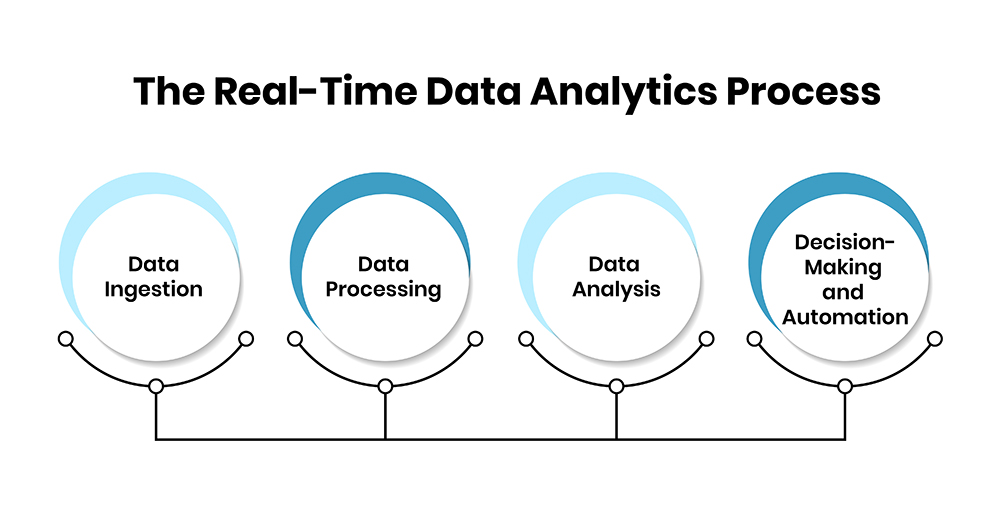
Data is the fuel for AI. In 2026, the emphasis won’t be on storing data—but on processing it instantly.
Core competencies
- Data Fabric Architecture: Creating unified, interoperable data environments across platforms.
- Edge Computing: Processing data closer to IoT devices, machines, and sensors to reduce latency.
- Modern Data Platforms: Advanced skills in cloud data warehouses that support analytics and AI workloads.
Why it matters:
Real-time insights drive faster decisions, smarter automation, and competitive advantage.
4️⃣ Cloud-Native Development & Platform Engineering
The traditional DevOps Engineer role is evolving into Platform Engineering. Organizations want internal platforms that let developers deploy securely—without worrying about infrastructure.
Must-have skills
- Kubernetes & Container Orchestration: Managing scalable, resilient applications.
- Serverless Computing: Building event-driven systems with minimal operational overhead.
- Multi-Cloud Strategy: Designing architectures that move seamlessly across cloud providers for cost and compliance optimization.
Why it matters:
Companies don’t want complexity—they want self-service platforms that accelerate innovation.
5️⃣ Quantum Readiness: The Emerging Skill
While large-scale quantum computing may still be emerging, Quantum-Safe Cryptography becomes a priority by 2026.
What professionals need to understand
- How quantum algorithms could break current encryption standards
- Implementation of post-quantum cryptographic protocols
- Preparing organizations for the upcoming “encryption Y2K moment”
Why it matters:
Organizations that prepare early will avoid massive security overhauls later.
6️⃣ The “Human” Skills: The Great Soft-Skill Pivot
As automation accelerates, human-centric skills gain exponential value. The best tech professionals in 2026 will also be excellent thinkers and communicators.
Critical human skills
- AI Ethics & Compliance: Managing bias, transparency, and data privacy responsibly.
- Strategic Problem Solving: Knowing when technology is the solution—and when it isn’t.
- Adaptive Learning: The ability to learn continuously as tools evolve every few months.
Why it matters:
Technology solves problems—but humans decide which problems are worth solving.

🔍 SEO Strategy: Preparing Your Resume for 2026
To pass AI-powered resume screeners, your profile must demonstrate impact, not just skills.
Resume optimization tips
- Quantify outcomes:
Instead of: “Experienced in Python”
Write: “Built an AI-augmented pipeline that reduced deployment time by 40%.” - Adopt T-Shaped Skills: Broad tech understanding with deep expertise in one critical area.
- Certifications still matter: Advanced, role-aligned certifications boost credibility and filtering success.
📊 Summary Table: Skills vs. Roles in 2026
| Skill Category | High-Demand Role | Core Tools & Focus |
|---|---|---|
| AI / ML | AI Solutions Architect | Model fine-tuning, AI orchestration |
| Security | DevSecOps Engineer | Zero Trust, cloud security |
| Data | Analytics Engineer | Real-time pipelines, data modeling |
| Cloud | Platform Engineer | Kubernetes, serverless, multi-cloud |
| Strategy | IT Ethics & Compliance Officer | AI governance, risk management |
🔮 Final Thought
2026 will not belong to those who code the fastest, but to those who can orchestrate technology to solve complex human problems.
Start investing today in AI integration, cybersecurity, and adaptive learning—because the future doesn’t reward static skill sets, it rewards continuous evolution.
